Basal metabolic rate — the rate at which the body expends energy at complete rest, before any food, movement, or environmental stress — is one of the most cited figures in nutritional science writing. It is also among the most misrepresented. The phrase "slow metabolism" appears frequently in popular accounts, often as a straightforward explanation for weight management difficulty. The published research presents a more calibrated picture.
Basal Metabolic Rate (BMR): The minimum energy required by the body to sustain basic physiological processes at rest — including circulation, respiration, and cellular maintenance — measured under standardised conditions.
What Basal Metabolic Rate Measures
Basal metabolic rate refers specifically to the energy expenditure recorded under tightly controlled conditions: the subject is at complete physical rest, in a thermoneutral environment, in a post-absorptive state (typically 12 hours after the last meal). These conditions are rarely replicated in daily life, which is why researchers distinguish between BMR and resting metabolic rate (RMR) — a related measurement taken under less strict conditions and generally running slightly higher.
For practical purposes in published nutritional research, RMR and BMR are often used interchangeably when the study context does not demand strict distinction. Both serve as proxies for the body's baseline energy demand — the floor below which total daily energy expenditure cannot fall without engaging the conservation mechanisms described in the literature on adaptive thermogenesis.
Resting metabolism accounts for a substantial portion of total daily energy expenditure — commonly cited at 60 to 75 percent in sedentary individuals. As activity levels rise, that proportion shifts, but the absolute value of resting metabolism remains the largest single contributor to daily energy output for most people.
The Primary Determinants of Resting Metabolic Rate
Research has identified several consistent predictors of resting metabolic rate across population studies. Of these, lean body mass stands as the most reliable. Muscle tissue is metabolically active — it demands energy to maintain even when not in use. Fat tissue, by contrast, requires comparatively little energy per unit of mass. The compositional difference between two individuals of similar total body weight can therefore produce meaningfully different resting metabolic rates.
Age represents a second well-documented variable. Resting metabolism tends to decline across adult life, a pattern partly attributable to changes in body composition — the gradual reduction in lean mass that accompanies ageing — and partly to other physiological adjustments less fully characterised in the current literature. Studies examining metabolic rate and weight in older adults consistently identify this trajectory, though the rate of decline varies substantially between individuals.
Body surface area, influenced by both height and overall mass, also contributes to baseline energy demand. Larger bodies maintain more surface area and more tissue, requiring greater total energy for maintenance. This variable is incorporated into established prediction equations such as the Harris-Benedict and Mifflin-St Jeor formulas, which remain in wide use despite known limitations in accuracy at the individual level.
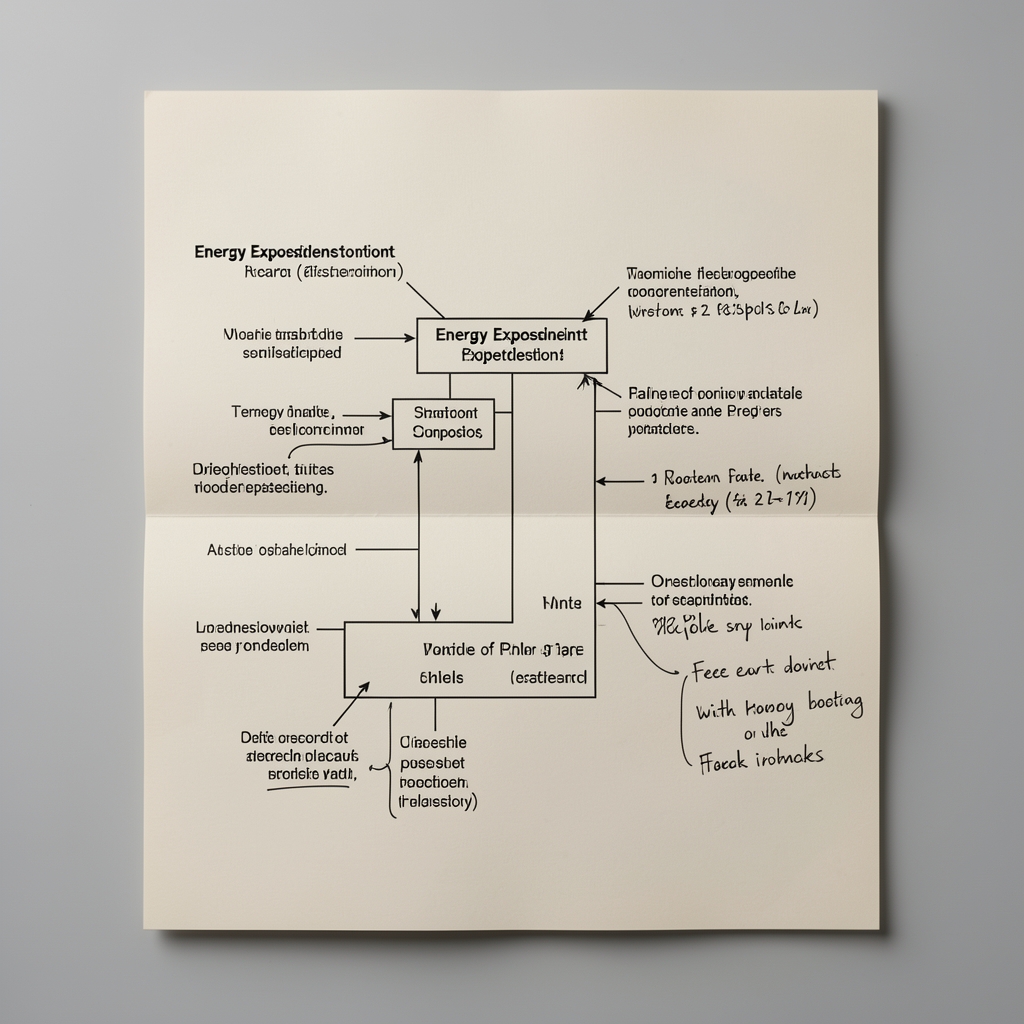
FIG. 1 — Components of total daily energy expenditure. Ardek Compendium research notes, 2026.
Muscle Mass and Metabolism: What the Research Indicates
The relationship between muscle mass and metabolism is well-established, though the magnitude of effect is sometimes overstated in popular accounts. Published values for the metabolic activity of skeletal muscle at rest typically fall in the range of 13 kilocalories per kilogram per day — meaningful when accumulated across a substantial lean mass, but not sufficient to explain large differences in total daily expenditure on its own.
The practical relevance of muscle mass and metabolism to long-term metabolic health lies less in any single day's calorie count and more in the cumulative effect over time. Individuals who maintain lean tissue through consistent daily movement and adequate protein intake tend to preserve higher baseline metabolic rates as they age. The research on protein and metabolic rate consistently points to this connection — dietary protein supports muscle protein synthesis, and that maintenance of lean tissue underpins resting metabolic rate across the lifespan.
The thermic effect of protein also contributes a secondary metabolic lift. Protein requires more energy to process than either carbohydrate or fat, with estimates for its thermic cost reaching 20 to 30 percent of its caloric value. A diet with adequate protein therefore contributes to the overall energy expenditure picture through both structural and processing-related pathways.
Why "Slow Metabolism" Requires Qualification
The phrase "slow metabolism explained" in popular wellness coverage typically implies a dramatic variation in metabolic rate between individuals — one that could account for significant weight differences. The published data offers a more nuanced interpretation. True basal metabolic rate variation between adults of similar age, sex, and body composition is narrower than popular accounts suggest.
Research examining identical twins — a natural control for genetic variation — has found that metabolic rate differences attributable to genetics are present but modest. Environmental and behavioural variables, including activity level, dietary composition, and sleep patterns, account for a meaningful portion of variation in resting metabolic rate across individuals.
The characterisation of "slow metabolism" becomes more technically accurate when applied to the adaptive processes described in research on metabolic adaptation. When energy intake is sustained below maintenance for an extended period, total energy expenditure falls — not merely in proportion to the loss of lean mass, but beyond it. This is the phenomenon of adaptive thermogenesis, examined at greater length in a separate entry in this compendium.
Prediction Equations and Their Limitations
Nutritional practitioners commonly use prediction equations to estimate basal metabolic rate from variables such as weight, height, age, and sex. The Mifflin-St Jeor equation, derived from a 1990 study population, produces estimates that fall within ten percent of measured values for the majority of the tested population. The Harris-Benedict equation, developed in 1919, performs less well in modern populations with different average body compositions.
Both equations are population-level tools. Individual variation means that any given person's measured RMR may fall meaningfully above or below the predicted value. For practical decision-making in a wellness context, these predictions serve as useful starting-point estimates rather than precise individual assessments.
Direct measurement of resting metabolic rate is possible through indirect calorimetry — a process that analyses exhaled gases to determine the ratio of oxygen consumed to carbon dioxide produced, from which energy expenditure can be calculated. The equipment required is not widely available outside research contexts, which is why prediction equations remain the standard tool in applied nutritional practice.
The Role of Movement in Metabolic Rate Across the Day
Movement and metabolic rate interact through multiple pathways beyond the direct energy cost of the activity itself. Of particular relevance to resting metabolism is the post-exercise elevation in energy expenditure — commonly termed excess post-exercise oxygen consumption — which extends the metabolic benefit of physical activity beyond the exercise period itself.
More substantially, consistent resistance-based movement supports lean mass retention and, over time, modest lean mass gains. The compound effect of maintained lean tissue on resting metabolic rate represents one of the more durable levers available for influencing basal metabolic rate across the adult lifespan.
Non-exercise activity thermogenesis (NEAT) — the energy expended in all movement outside formal exercise — represents a substantial and highly variable component of total daily energy expenditure. Research suggests NEAT can vary by as much as 2,000 kilocalories per day between individuals with ostensibly similar lifestyles, making it a significant factor in overall metabolic rate and weight balance.
- 01. Lean body mass is the most consistent predictor of basal metabolic rate between individuals.
- 02. Resting metabolism accounts for 60–75% of total daily energy expenditure in sedentary adults.
- 03. Age-related changes in body composition contribute to the gradual decline in resting metabolic rate.
- 04. Protein intake supports lean mass maintenance, indirectly sustaining resting metabolic rate over time.
- 05. True genetic variation in basal metabolic rate between individuals of similar composition is narrower than popular accounts suggest.
Contextualising Metabolic Rate and Weight
The relationship between metabolic rate and weight is bidirectional rather than simply causal in one direction. A higher body mass generally produces a higher absolute resting metabolic rate, because a larger body requires more energy for maintenance. Weight change, in turn, alters basal metabolic rate through changes in both total mass and body composition.
Weight loss reduces basal metabolic rate through two distinct mechanisms: the reduction in total body mass (and therefore in the metabolic work of maintaining it), and the adaptive downregulation discussed under adaptive thermogenesis. The latter component is what complicates long-term metabolic balance, and what the research literature distinguishes from simple mass-related changes.
Understanding basal metabolic rate as a variable — responsive to composition, activity, nutrition, and age — rather than a fixed individual characteristic provides a more accurate framework for thinking about long-term metabolic health. The published evidence does not support an account in which metabolism is simply fast or slow as a permanent individual trait.